The Opportunities Nobody Tells Us About After 50
Did you know that you could help NASA search for undiscovered planets from your own home?
How about working alongside archaeologists at an actual excavation site or helping restore an old locomotive?
I started looking into some of the opportunities available to ordinary people, and there are several that caught my attention.
At this point in our lives, many of us have settled into familiar routines. We go to work, take care of things around the house and occasionally make plans for the weekend.
But there’s an awful lot going on outside those routines that we may never have considered getting involved in.
Here are five opportunities worth looking into.
1. Become a Volunteer Weather Spotter
If you’ve ever stood on your porch watching a thunderstorm roll in or spent an evening following the weather radar, you might find this interesting.
The National Weather Service has a volunteer program called SKYWARN. It provides free training to ordinary people who want to help report significant weather conditions.
Radar can tell meteorologists a lot about a storm, but people on the ground can provide information about what’s actually happening.
Something as simple as reporting the size of hail that fell in your backyard could provide useful information to a meteorologist.
The training teaches you about storm development, severe weather, making accurate observations and reporting what you see.
This isn’t storm chasing. The program emphasizes safety and doesn’t require you to put yourself in dangerous situations.
How to get involved: Visit the National Weather Service SKYWARN website or check with your local National Weather Service office for free training opportunities.
2. Help NASA Discover a Planet
You don’t need a telescope, a scientific background or expensive equipment to participate in actual astronomical research.
Through a citizen science project called Planet Hunters TESS, members of the public can examine data collected by a NASA space telescope.
Participants examine graphs showing changes in the brightness of distant stars. A small drop in brightness could indicate that a planet has passed in front of a star.
The project teaches you what to look for before you begin examining the data.
And this isn’t just an exercise designed to teach people about astronomy. Volunteers involved in planet-hunting projects have been credited as authors on scientific research papers.
Imagine spending an evening at home looking through data collected by a telescope in space.
You can participate whenever you have some spare time, without committing to a schedule.
How to get involved: Visit Planet Hunters TESS. Participation is free.
3. Take Part in an Archaeological Dig
Watching someone uncover a piece of history in a documentary and being there when it happens are two entirely different things.
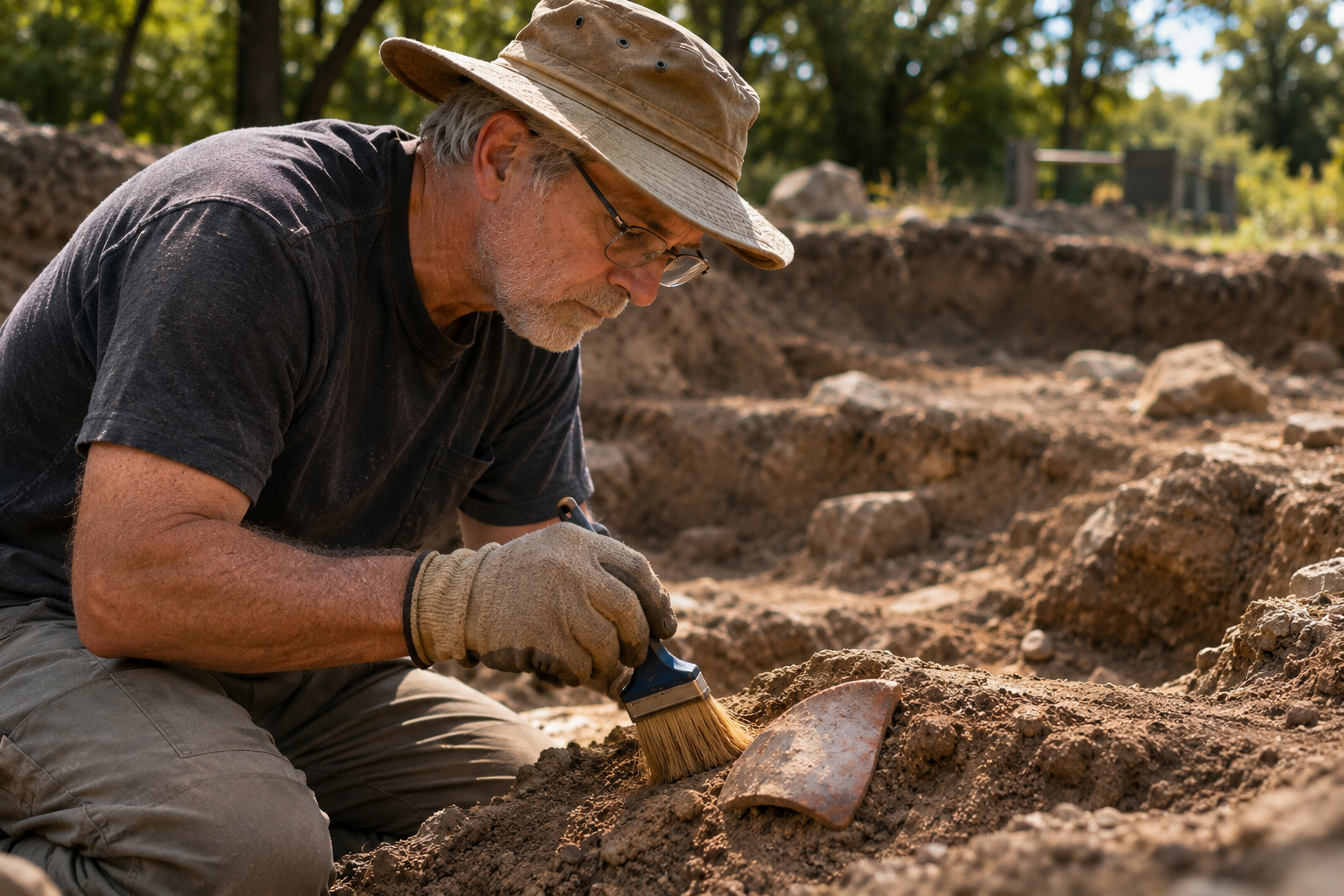
Some archaeological projects welcome volunteers who have no previous experience.
Depending on the project, you could help excavate a site, sift through soil, clean recovered artifacts or assist with documenting discoveries.
The Archaeological Institute of America maintains a directory of fieldwork opportunities throughout the United States and around the world.
It’s worth mentioning that archaeological work can be physically demanding and requires patience. Some programs also charge fees or require several weeks of participation.
But if history interests you, this could be an entirely different way of experiencing it.
You might even find opportunities closer to home through local historical and archaeological organizations.
How to get involved: Browse the Archaeological Fieldwork Opportunities Bulletin or contact your state’s archaeological society. Check individual listings for beginner eligibility, costs and time commitments.
4. Help Bring an Old Locomotive Back to Life
Across the country, railroad preservation organizations rely on volunteers to keep historic trains and equipment operational.
Some welcome people who have never worked on a railroad.
The Hocking Valley Scenic Railway in Ohio is one example.
Depending on the organization, opportunities include mechanical restoration, equipment maintenance, woodworking and other work involved in preserving railroad history.
If you’ve spent your working life around machinery or simply enjoy taking things apart and understanding how they work, there might be something here for you.
It’s also an opportunity to spend time around people who share an interest in building, repairing and preserving things.
How to get involved: Search for railroad museums and preservation organizations in your area. The Hocking Valley Scenic Railway provides a good example of the different roles volunteers can fill.
5. Find Out What It’s Like to Fly an Airplane
Have you ever wondered what it would be like to sit behind the controls of a small airplane?
The Experimental Aircraft Association offers a program called Eagle Flights. It provides free introductory flying experiences for adults who are interested in learning to fly.
A volunteer pilot introduces you to the aircraft and takes you up for an introductory flight.
The program is designed to help people explore aviation before committing to formal flight training.
Of course, pursuing a pilot’s license afterward is another matter entirely. It requires considerable time, training and expense.
But you don’t have to make that commitment just to take the first step.
How to get involved: Visit the EAA Eagle Flights program and look for a participating chapter near you.
What Else Have We Been Missing?
Of these five opportunities, weather spotting, planet hunting and archaeological digs are the ones I’d like to look into further.
None of them was on my list of things to do this year.
That’s what I found interesting about researching this article. It’s hard to consider doing something when you don’t even know it’s an option.
We tend to turn to the same handful of activities when we have some free time. There’s nothing wrong with enjoying familiar things, but I wonder how many other interests we might develop if we knew what was available to us.
You could discover something at 56 that you wish you’d known about at 26.
If something in this article caught your attention, follow the link and spend a little time looking into it. You don’t have to sign up for anything or make a commitment.
At the very least, you’ll have discovered something new today.
And who knows? You might find something you’ll enjoy doing for years to come.
Related reading Whatever Happened to the Things We Used to Enjoy? and Life Needs More Northern Lights.